
Table of Contents
- Why Handcrafted Kitchenware Outlasts Mass-Produced Alternatives
- Glass Cutting Boards: Tempered Surfaces Built for Everyday Use
- Frosted Glass Mugs: Daily Drinkware That Holds Up
- Buy It for Life Kitchen Tools: What Separates Keepers from Replacements
- How to Care for Artisan Kitchenware So It Lasts
- Repair, Restoration, and Second-Hand Sourcing
- Frequently Asked Questions
Last Updated: September 27, 2026
Why Handcrafted Kitchenware Outlasts Mass-Produced Alternatives
Durable handcrafted kitchenware for daily use is made by hand, which means a finish that survives years of washing. That construction difference is why an artisan piece often outlives mass-produced replacements. At Lynne's Creations, we see this play out in our own tempered glass boards and frosted mugs: customers come back years later for a second piece, not a replacement.
Mass-produced kitchenware is engineered to hit a price point. Handcrafted pieces are built to a standard. The U.S. Environmental Protection Agency's sustainable materials guidance notes that longer product life is one of the most effective ways to cut household waste, and kitchen tools are a common culprit.
Below, we break down what actually lasts, how to care for it, and where to find pieces worth keeping.
Glass Cutting Boards: Tempered Surfaces Built for Everyday Use
Tempered glass cutting boards are heat-treated glass panels that resist scratching, staining, and odor absorption better than most plastic boards. The tempering process strengthens the glass, so it handles daily chopping and doubles as a serving surface.

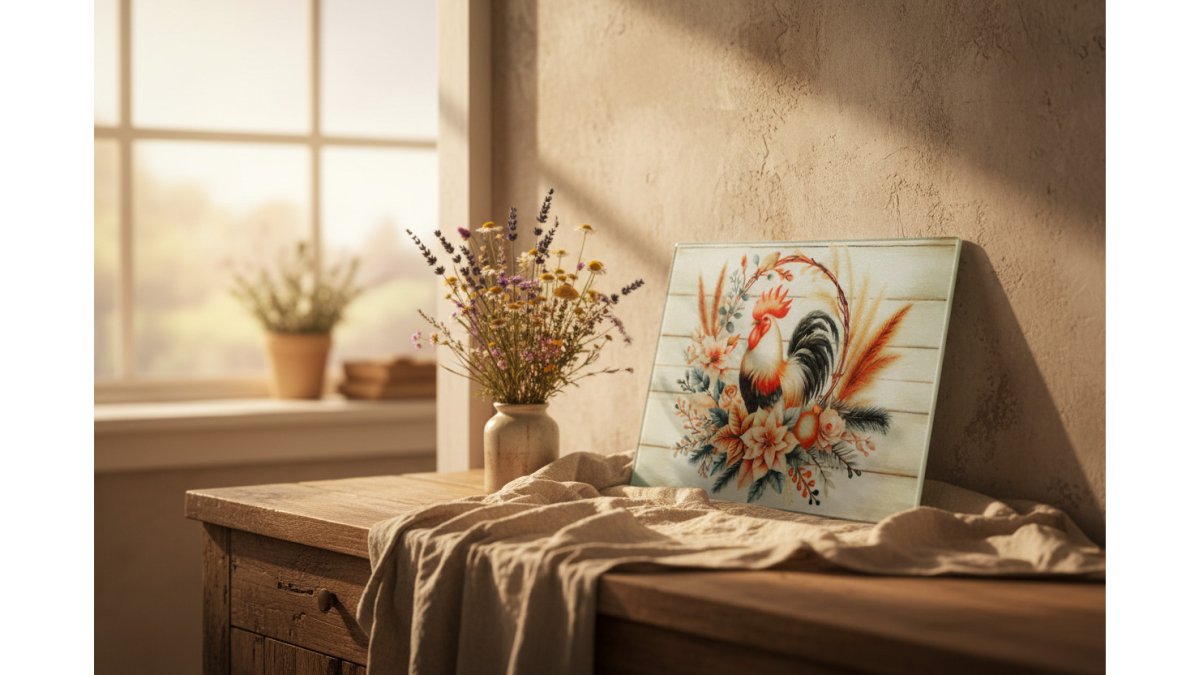
The practical advantage is hygiene. Glass doesn't hold onto onion, garlic, or raw meat residue the way porous surfaces can, and it wipes clean in seconds. Our Farmhouse Rooster Glass Cutting Board measures 11" x 7.87", small enough to rinse in a standard sink but large enough for real prep work.
Sublimated Designs That Resist Fading and Peeling
Sublimation infuses the printed design into the glass surface rather than layering it on top. That means the artwork won't peel, crack, or wash away the way a vinyl decal does. Our Kitchen Crimes In Progress board uses this process, and the print stays vibrant through years of use.

A common mistake is putting a sublimated glass board in the dishwasher. Hand wash only, every time. The heat and detergent can dull the finish.
Frosted Glass Mugs: Daily Drinkware That Holds Up
Frosted glass mugs hold up well in daily rotation. A 17 oz. capacity covers a full coffee, tea, or cocoa serving without a refill, and the frosted surface hides water spots that clear glass shows instantly.

Our Rustic Farmhouse 17oz Frosted Glass Mug is dishwasher-safe, which matters if you actually use it every morning. The Cinnamon & Spice mug is also dishwasher-safe, while the Cozy Season and Sweater Weather designs are hand wash only to protect the wrap.
Dishwasher-Safe vs. Hand-Wash Only: What to Know Before You Buy
The rule is simple: check the product listing before you buy, then follow it. Here's how the two categories compare.
| Care Type | Best For | Typical Lifespan With Proper Care | Watch Out For |
|---|---|---|---|
| Dishwasher-safe | Everyday morning routines | Years of daily use | High-heat cycles can dull frosting over time |
| Hand wash only | Decorative or seasonal designs | Years if washed by hand | Dishwasher heat fades the wrap |
Buy It for Life Kitchen Tools: What Separates Keepers from Replacements
Buy it for life kitchen tools share three traits: a material that doesn't degrade, a construction method that won't fail at the joints, and a design you won't get tired of looking at. Stainless steel, cast iron, hardwood, and tempered glass all meet the first test. Thin plastic and unbonded coatings do not.
Here's how the four keeper materials actually compare on the traits that matter for daily use:
| Material | Why It Lasts | Common Failure Mode | Repairable? |
|---|---|---|---|
| Tempered glass | Heat treatment locks in internal stress so the surface resists scratching and odor absorption | Edge chips from impact; thermal shock from sudden temperature change | No, a cracked board is done |
| Cast iron | Iron body is one piece; seasoning is a renewable non-stick layer | Rust from moisture left on the surface | Yes, strip, scrub, re-season |
| Hardwood | Dense grain and natural oils resist bacteria and wear | Drying and cracking if never oiled | Yes, sand and re-oil |
| Stainless steel | Alloy resists corrosion; no coating to flake | Dents at thin-gauge edges; loosened rivets | Sometimes, rivets can be tightened |
The U.S. Federal Trade Commission's guidance on environmental marketing claims is clear that durability and sustainability claims must be substantiated, which is why material honesty matters more than marketing language. A maker who tells you a glass board can't be re-printed is being more useful than one who calls everything "lifetime."
What most guides miss is that repairability matters as much as initial quality. A cast iron pan can be re-seasoned. A wooden spoon can be re-oiled. A glass board with a sublimated design can't be re-printed, so buy a design you'll still like in five years.
Matching the Tool to the Job
Durability only pays off if the piece suits how you actually cook. A few patterns that hold up across most kitchens:
- One glass board for produce and serving, non-porous, easy to sanitize
How to Care for Artisan Kitchenware So It Lasts
Caring for artisan kitchenware comes down to four habits: wash by hand when the maker says to, dry thoroughly, store so pieces don't knock against each other, and avoid sudden temperature changes. Tempered glass can crack if you move it straight from a hot pan to cold water. The specifics differ by material, though.
Glass and Frosted Drinkware
Warm water, mild dish soap, and a soft sponge. Dry immediately with a towel or air-dry upside down on a rack, standing water leaves mineral spots on frosted finishes that are hard to remove later. Never use abrasive scrubbers or steel wool on a sublimated or frosted surface; both will dull the finish. Keep glass away from sudden temperature swings, no pouring boiling water into a cold mug, no moving a hot board to a cold counter.
Hardwood
Wood is the easiest material to keep alive if you build one habit: oil it. A food-safe mineral oil or a beeswax-and-oil blend applied every few weeks, more often in dry winter months, keeps the grain sealed and prevents the cracking that comes from repeated wet-dry cycles. Wash with warm water and mild soap, never soak, and never put wood in the dishwasher.
Cast Iron
Seasoning is the maintenance. After each use, rinse with hot water and a stiff brush, soap is fine in small amounts on a well-seasoned pan, then dry on the stovetop over low heat. A thin coat of oil while the pan is still warm keeps the seasoning intact. If rust appears, scrub it off with steel wool, wash, dry, and re-season.
Stainless Steel
Stainless is the most forgiving, but it isn't indestructible. Wash by hand when you can, dry immediately to prevent water spots, and avoid leaving acidic foods sitting in the pot. A paste of baking soda and water lifts most discoloration. Avoid harsh chlorine-based cleaners, which can pit the surface over time.
A Simple Care Schedule
- After every use: wash, dry, and put away, don't leave pieces soaking
- Seasonally: check glass for edge chips
Repair, Restoration, and Second-Hand Sourcing
Repair and restoration are where handcrafted kitchenware pulls ahead of mass-produced goods. These are weekend projects, not replacements.
Repair, Restoration, and Second-Hand Sourcing
Repair and restoration are where handcrafted kitchenware pulls ahead of mass-produced goods. These are weekend projects, not replacements.
Frequently Asked Questions
What materials are best for durable, daily-use kitchenware?
Tempered glass ranks among the most durable options for daily use. Tempered glass resists scratches and holds vibrant sublimated designs without fading or peeling. For handcrafted kitchenware, tempered glass cutting boards and frosted glass mugs handle daily wear well, especially when washed by hand to preserve printed designs.
How do you maintain handcrafted kitchen tools for longevity?
Hand wash glass cutting boards and frosted mugs with warm water and mild soap to protect sublimated designs. Avoid abrasive sponges that can scratch surfaces. Dry immediately with a soft cloth. Store cutting boards upright or with felt pads between stacked pieces. These habits keep handcrafted kitchenware looking new for years of daily use.
Is handcrafted kitchenware worth the higher price point?
Handcrafted pieces often cost more because of small-batch production, detailed design work, and materials chosen for durability. The value comes down to cost per year of use, plus the tactile and visual quality that mass-produced items rarely match.
How can you tell if kitchenware is truly handcrafted?
Check whether the maker offers custom orders or personalization. Read product descriptions for details about the printing or finishing method, such as sublimation, which permanently bonds designs into glass. Handcrafted kitchenware also tends to come from small independent sellers rather than large retail chains.
What are the benefits of using handcrafted kitchenware?
Handcrafted kitchenware adds visual character to everyday routines and often uses materials selected for longevity rather than lowest cost. Each piece carries a design story, making meals and gatherings feel more personal. Many artisan makers also offer customization, so you get items that match your style or serve as meaningful gifts. The tactile quality of handcrafted pieces makes daily cooking and serving more enjoyable.
Durable kitchenware only pays off if you actually enjoy using it every day. Lynne's Creations builds handcrafted glass cutting boards and frosted glass mugs designed to earn a permanent spot in your rotation, with tempered glass construction, sublimated designs that resist fading, and custom order options for gifts and bulk sets. Get started with Lynne's Creations and bring artistry to your everyday kitchen moments.